Scale Your Factory Without IP Chaos
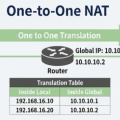
One to One NAT
A networking technique used to map a single internal IP address to one global IP address
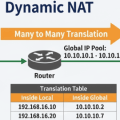
Dynamic NAT
Maps multiple internal IP addresses to a shared pool of global IP addresses to create a dynamic translation mechanism
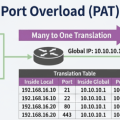
Port Overload (PAT)
Maps multiple internal IP addresses to a single global IP address using unique port numbers
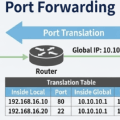
Port Forwarding
A networking technique used to allow an external network to access a particular device within an internal network
In the rapidly expanding world of industrial automation, the adoption of Ethernet technology initially faced significant hurdles. A primary obstacle was the widespread use of duplicate IP addresses. Equipment manufacturers often ship standardized machines such as identical robotic cells or CNC skids pre-configured with a hardcoded IP address range. When an industrial facility integrates multiple copies of these machines, a direct connection to a plant-wide network triggers IP address conflicts, resulting in network crashes and communication failures. Reconfiguring every individual sensor and PLC is often labor-intensive, error-prone, and violates standardized vendor maintenance protocols.
To overcome this, Network Address Translation (NAT) was integrated directly into industrial Ethernet switches. This feature enables engineers to maintain the internal machine addresses while mapping them to unique "public" IP addresses for the broader factory network. By acting as a transparent gateway, NAT-capable switches resolve address exhaustion and conflict issues without requiring a rewrite of the machine’s internal logic. This innovation facilitates seamless integration, protects internal device visibility from external threats, and drastically reduces commissioning time for complex, multi-machine production lines.

Our Solution
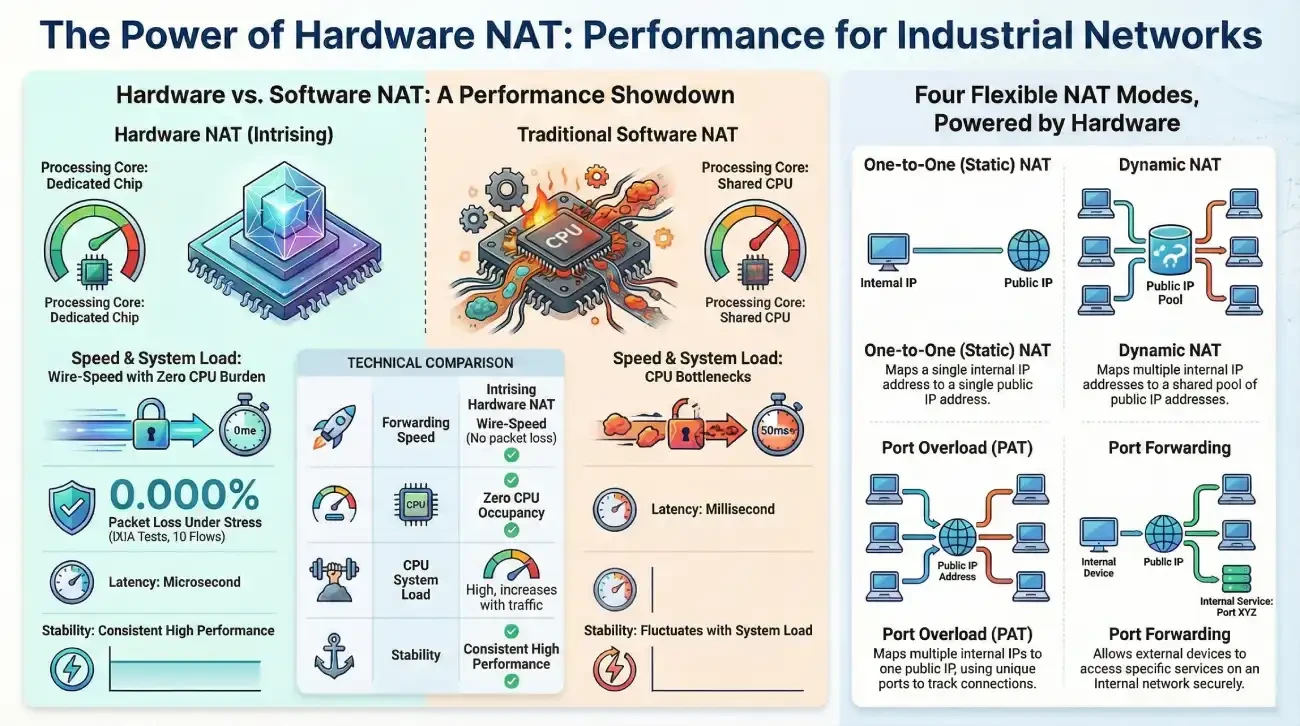
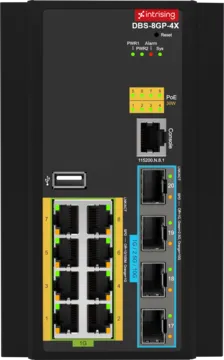
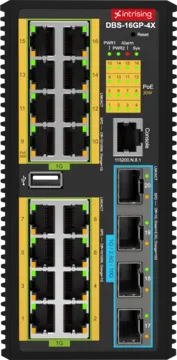
Modern industrial Ethernet switches such as Intrising B Series use advanced NAT features to resolve complex integration challenges. One-to-one (1:1) NAT is the primary solution for duplicate IP conflicts, mapping each internal machine IP to a unique external address, allowing identical skids to coexist on the same plant network. For broader connectivity, Dynamic NAT automatically assigns addresses from a pre-defined pool, ensuring temporary external access for various devices without manual configuration.
When external IP addresses are scarce, Port Address Translation (PAT), or port overload, allows hundreds of internal devices to share a single public IP by assigning unique port numbers to each session. Complementing this, Port Forwarding enables remote technicians to reach specific internal services like a PLC’s web server by directing external requests to the correct internal device and port. Together, these features provide a seamless, secure bridge between standardized machine cells and the diverse requirements of enterprise-level factory networks.